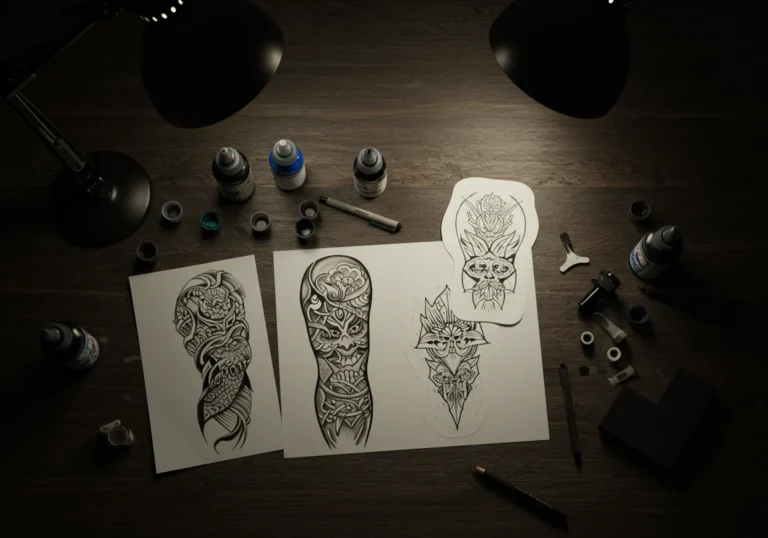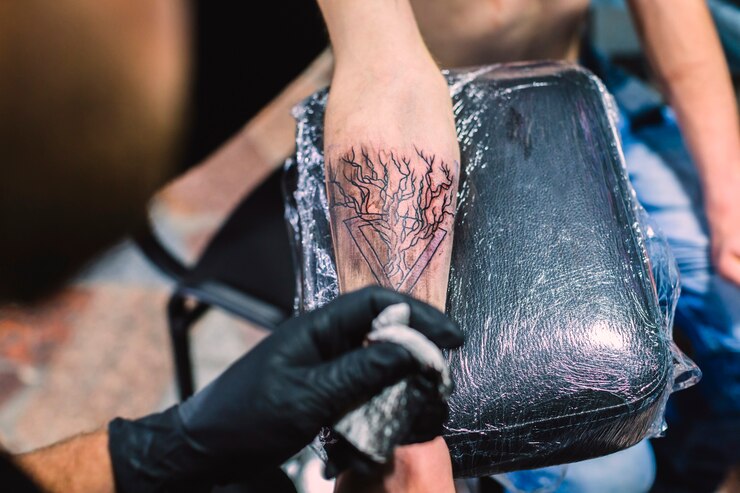

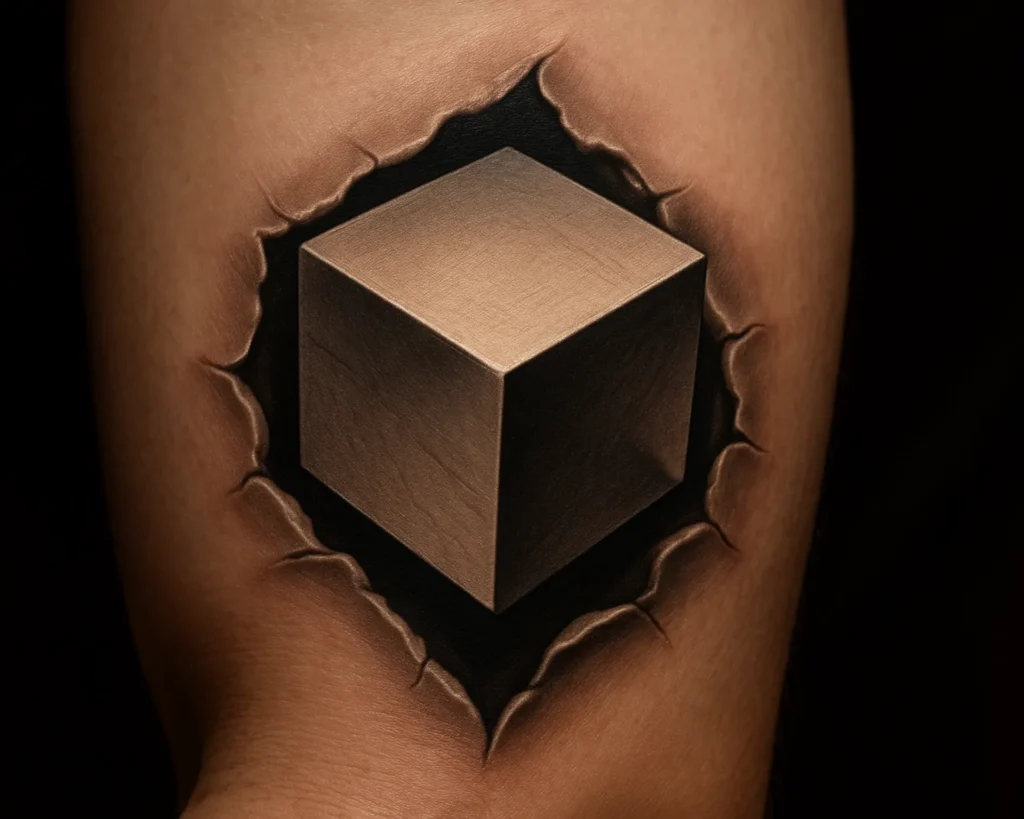
Three-dimensional hyperrealistic tattoos represent one of the most captivating developments in modern body art. These extraordinary designs manipulate light, shadow, and perspective to create stunning optical illusions that appear to leap off the skin or sink beneath its surface. Unlike traditional flat tattoos, 3D hyperrealistic pieces transform the human body into a canvas for mind-bending visual effects that challenge perception and showcase the pinnacle of tattooing artistry.
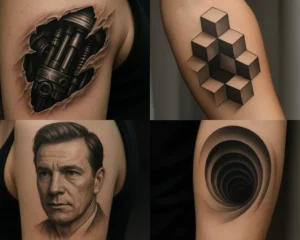
The appeal of these tattoos extends far beyond mere aesthetics. They demonstrate a tattoo artist’s mastery of advanced techniques including precise shading gradients, strategic highlight placement, and sophisticated understanding of human anatomy. When executed properly, a 3D hyperrealistic tattoo can create the illusion of torn skin revealing mechanical components underneath, geometric shapes floating above the body, or portraits so lifelike they seem ready to speak. This fusion of technical skill and artistic vision has propelled 3D tattoos to the forefront of contemporary tattoo trends.
Understanding the Art of 3D Hyperrealistic Tattoos
The foundation of any successful 3D hyperrealistic tattoo lies in understanding how the human eye perceives depth and dimension. These tattoos do not actually protrude from or recede into the skin — instead, they create a convincing illusion through careful manipulation of visual cues. Artists achieve this effect by studying principles borrowed from classical painting, photography, and even trompe-l’oeil art, an artistic technique that uses realistic imagery to create optical illusions of three-dimensional space.
The process begins with a thorough consultation where the artist assesses the client’s skin tone, the intended placement on the body, and the specific design concept. The body’s natural contours play a crucial role in enhancing the 3D effect. Areas with muscle definition or natural curves — such as the biceps, shoulders, chest, and calves — provide ideal canvases because movement accentuates the illusion. As the wearer moves, the tattoo appears to shift and change, adding another layer of dynamism to the design.
Creating a hyperrealistic 3D tattoo requires significantly more time than traditional designs. Artists must work with extreme precision, often spending multiple sessions perfecting the subtle gradations that make the illusion convincing. The investment of time reflects the complexity of the work — every shadow must be positioned correctly, every highlight must catch imaginary light from a consistent source, and every line must contribute to the overall sense of depth.
Mastering Shading Techniques for Depth and Dimension
Shading represents the most critical element in creating a successful 3D hyperrealistic tattoo. The technique involves building up layers of ink in varying densities to simulate how light interacts with three-dimensional objects. Artists begin with the darkest tones, establishing the deepest shadows and areas furthest from the imaginary light source. These dark foundations create the illusion of depth and recession.
From there, the artist gradually transitions through mid-tones, carefully blending each shade into the next to avoid harsh lines that would break the illusion. This process, known as gradient shading, requires exceptional control and an intimate understanding of how different ink densities appear on various skin tones. According to professional tattoo artists, achieving smooth gradients can take years of practice to perfect.
The lightest tones and highlights complete the dimensional effect. Many artists incorporate white ink or leave areas of skin uninked to represent the brightest points where light would naturally reflect. These highlights are strategically placed to suggest surfaces catching light — the edge of a geometric shape, the glossy surface of an eye, or the metallic sheen of mechanical components. The interplay between the darkest shadows and brightest highlights creates the contrast necessary for the eye to perceive depth.
The Role of Contrast in Creating Realism
High contrast between light and dark areas amplifies the three-dimensional effect. Artists must carefully balance this contrast to maintain realism without creating a cartoonish appearance. Too little contrast results in a flat-looking tattoo, while excessive contrast can make the design appear artificial. The sweet spot varies depending on the client’s skin tone, with artists adjusting their approach to ensure the tattoo reads clearly on different complexions.
Popular Styles and Design Concepts
The versatility of 3D hyperrealistic tattooing allows for an enormous range of design possibilities. Some of the most popular styles have emerged as favorites among both artists and clients, each offering unique visual impact and symbolic meaning.
Biomechanical and Torn Skin Designs
Perhaps the most iconic 3D tattoo style involves the illusion of torn or ripped skin revealing something beneath. Biomechanical designs show gears, pistons, circuitry, or robotic components as if the wearer is part machine. These designs gained popularity through science fiction aesthetics and continue to captivate those drawn to cyberpunk or futuristic themes. The torn skin effect requires exceptional skill in rendering realistic skin texture, complete with subtle color variations and the appearance of torn edges.
Geometric Optical Illusions
Geometric 3D tattoos use shapes like cubes, spheres, pyramids, and impossible figures to create mesmerizing optical effects. These designs often appear to float above the skin or create the impression of holes or indentations in the body. The precision required for geometric work is extraordinary — even slight imperfections in line work or shading can destroy the illusion. Artists who specialize in this style often have backgrounds in technical drawing or architecture.
Hyperrealistic Portraits and Objects
Some 3D tattoos focus on rendering specific objects or portraits with such accuracy that they appear photographic. These might include realistic eyes that seem to follow the viewer, hands reaching out from the skin, or everyday objects like watches, jewelry, or flowers that look tangible enough to touch. This style demands not only technical proficiency but also artistic talent in capturing likeness and expression.
Choosing the Right Placement for Maximum Impact
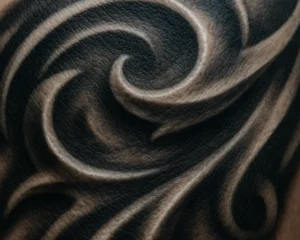
The placement of a 3D hyperrealistic tattoo significantly influences its effectiveness. Unlike traditional designs that can work well on any body part, 3D tattoos rely on the body’s natural topography to enhance their dimensional qualities. The best placements take advantage of muscle definition, bone structure, and areas that experience visible movement.
The upper arm and shoulder region ranks among the most popular locations for 3D work. The bicep’s rounded surface provides an excellent canvas for designs that wrap around the arm, while shoulder placement allows for larger pieces that can incorporate the chest or back. When the wearer flexes or moves their arm, the tattoo appears to shift and change, reinforcing the three-dimensional illusion.
The chest offers a broad, relatively flat surface ideal for large-scale 3D designs. Many clients choose this area for biomechanical pieces that appear to reveal the inner workings beneath the ribcage. The natural contours of the pectoral muscles add subtle dimension that artists can incorporate into their designs. Similarly, the back provides extensive space for ambitious projects, though the lack of frequent viewing by the wearer makes it a more selfless choice.
Leg placements, particularly on the calf and thigh, also work well for 3D tattoos. These areas offer good visibility and sufficient muscle mass to support the illusion. Smaller 3D pieces can work on the forearm, though artists must carefully consider how the design will read from different viewing angles. Areas with minimal muscle or fat, such as the ribs or ankles, present greater challenges for 3D work due to their flatter topography.
Finding the Right Artist for Your 3D Tattoo
Not every talented tattoo artist possesses the specialized skills required for 3D hyperrealistic work. This style demands additional training, practice, and natural aptitude for understanding light, shadow, and perspective. When searching for an artist to execute your 3D tattoo vision, thorough research becomes essential.
Begin by examining artists’ portfolios specifically for examples of 3D work. Look for pieces that demonstrate smooth shading transitions, convincing depth, and optical effects that hold up from multiple angles. Pay attention to healed photos rather than fresh tattoos, as these show how the work ages and whether the illusion remains effective over time. Many artists showcase their work on social media platforms where you can view extensive galleries and client feedback.
During consultations, discuss the artist’s experience with 3D techniques and ask about their approach to creating dimensional effects. A skilled 3D tattoo artist should be able to explain their process, discuss how they’ll adapt the design to your specific body placement, and provide realistic expectations about session length and healing. They should also be honest about whether your desired design is achievable and offer suggestions for modifications that might improve the final result.
Consider the artist’s overall aesthetic and whether it aligns with your vision. Some artists excel at dark, dramatic biomechanical work, while others specialize in softer, more subtle dimensional effects. Reading reviews from previous clients can provide insight into the artist’s professionalism, communication style, and the longevity of their work. Remember that 3D hyperrealistic tattoos typically cost more than traditional designs due to the additional time and expertise required.
Caring for Your 3D Hyperrealistic Tattoo
Proper aftercare proves crucial for maintaining the crisp details and smooth gradients that make 3D tattoos effective. The healing process for these complex pieces follows the same basic principles as any tattoo, but the intricate shading requires extra attention to preserve the dimensional effect.
During the initial healing phase, follow your artist’s specific instructions regarding cleaning and moisturizing. Keep the tattoo clean and avoid picking at scabs, as this can cause ink loss that disrupts the carefully crafted shading gradients. The detailed nature of 3D work means that even small areas of ink loss can compromise the overall illusion. Protect the tattoo from sun exposure during healing and continue using sunscreen once healed, as UV damage can fade the subtle tonal variations that create depth.
Long-term maintenance involves protecting your investment through consistent sun protection and moisturizing. The fine details and smooth transitions in 3D tattoos can blur over time if not properly maintained. Some clients choose to get touch-ups every few years to refresh the contrast and maintain the crisp appearance of the design. Your artist can advise on when touch-ups might be beneficial based on how your specific tattoo ages. For more detailed guidance, refer to our comprehensive tattoo aftercare guide.
The Future of 3D Tattoo Artistry
As tattoo technology and techniques continue to evolve, the possibilities for 3D hyperrealistic work expand. Some artists are experimenting with augmented reality integration, where physical tattoos interact with digital overlays viewed through smartphone apps. Others explore the potential of AI-assisted design tools that can help visualize how 3D effects will appear on specific body placements before any ink touches skin.
The growing acceptance of tattoos in professional settings has also contributed to increased interest in sophisticated styles like 3D hyperrealism. These artistic pieces are often viewed as legitimate art forms rather than mere decoration, opening doors for more people to consider getting tattooed. As the client base expands, artists continue pushing the boundaries of what’s possible with ink and skin.
Education and training opportunities for aspiring 3D tattoo artists have also improved. Specialized workshops, online courses, and mentorship programs help new artists develop the skills needed for this demanding style. This increased access to quality education promises a future where more artists can execute convincing 3D work, making these stunning designs available to a broader audience.
Making Your 3D Tattoo Vision a Reality
Three-dimensional hyperrealistic tattoos represent the cutting edge of tattoo artistry, combining technical mastery with creative vision to produce truly extraordinary body art. Whether you’re drawn to the futuristic appeal of biomechanical designs, the mathematical precision of geometric illusions, or the emotional impact of hyperrealistic portraits, a skilled 3D tattoo artist can transform your ideas into a permanent work of art that challenges perception and sparks conversation.
The journey to getting a 3D hyperrealistic tattoo requires patience, research, and collaboration with a talented artist who understands the intricacies of creating dimensional effects on skin. By choosing the right design, placement, and artist, you can ensure that your tattoo not only looks incredible when fresh but continues to captivate and impress for years to come. The investment of time and resources pays dividends in the form of a truly unique piece of wearable art that showcases both your personal style and the remarkable capabilities of modern tattooing.
If you’re considering a 3D hyperrealistic tattoo, take time to explore different styles, consult with experienced artists, and carefully plan your design. The result will be a stunning piece of body art that pushes the boundaries of what’s possible with ink and skin — a permanent reminder of the incredible artistry that defines contemporary tattoo culture. For more inspiration on tattoo styles and trends, explore our article on the hottest tattoo trends for 2025.